



You have just completed your high school or college degree and want to study in the United Kingdom. Then it’s too exciting, but picking the right university can be very hard. There are many universities, lots of courses, and different cities to choose from—it can feel like too much.
Choosing the right university is not just about picking a famous name. It’s important because it can change how you learn, what jobs you get, and how you live in another country. The good news is, with the right help, some research, and a bit of planning, you can find a university that matches your dreams, money, and way of life.


Why Choosing the Right University Matters

Choosing the right university is a very important decision for any international student. The university you pick can affect your learning, the kind of job you get in the future, and how your life will be in the UK. Here’s why it’s important:
1. Impact on Career Opportunities
Your university can help you get a good job in the future. Famous universities often work with big companies, offer internship programs, and provide career help for students. If you graduate from a well-known university, it can be easier to find a job in the UK or in other countries.
2. Quality of Education and Reputation
Each university teaches in its own way and has different buildings, tools, and course plans. Picking a university that is known for your subject helps you get a good education and skills that people around the world will respect.
3. Student Experience and Personal Growth
University life is not only about studying. It’s also about making new friends, learning about a new culture, and becoming more independent. If you choose a university that fits your way of life and interests, your time studying abroad can be fun, meaningful, and something you’ll always remember.
4. Networking and Future Connections
Universities are like big communities. They bring together students, teachers, and past students from many countries. The right university can help you make strong friendships and connections that will help you in your job and personal life for many years.
“One of my friends chose a university without really researching the city or the lifestyle. Although the academics were good, they struggled to adjust to the environment and felt homesick a lot. It taught me how important it is to consider not just academics, but also whether the university fits your personality and lifestyle.“
Understand the UK Education System

Before you choose a university in the UK, it’s good to understand how the education system works. This will help you choose the right course, know the different types of degrees, and how long you will study.
Undergraduate vs. Postgraduate Programs
- Undergraduate Programs: These degrees are generally for students who just finished high school. In the UK, most bachelor’s degrees take 3 years to finish, but 4 years in Scotland. Common types are BA, BSc, and LLB.
- Postgraduate Programs: These degrees are for students who already have a bachelor’s degree. A master’s degree usually takes 1 year, and a PhD can take 3 to 4 years. Some common types are MA. MSc and MBA.
Types of Universities in the UK
In the UK, there are different types of universities. Russell Group Universities are the top ones that focus on research and are famous around the world, like the University of Oxford, the University of Cambridge, and the University of Manchester. Modern universities, also called post-1992 universities, focus more on practical and job-related courses, such as the University of East London and the University of Brighton. There are also specialist institutions that focus on certain subjects like arts, music, or business, like the Royal College of Music and the London School of Economics.
Degree Duration and Structure
Most undergraduate courses in the UK take 3 years to finish. Some courses have a “sandwich year,” which is a placement or internship, so they take 4 years. The courses are made up of modules, which include things like lectures, small group talks, workshops, and tests like exams, essays, or projects. Many universities also offer placement years or internships to give you real work experience and help you get a job after you graduate.
Factors to Consider When Choosing a University
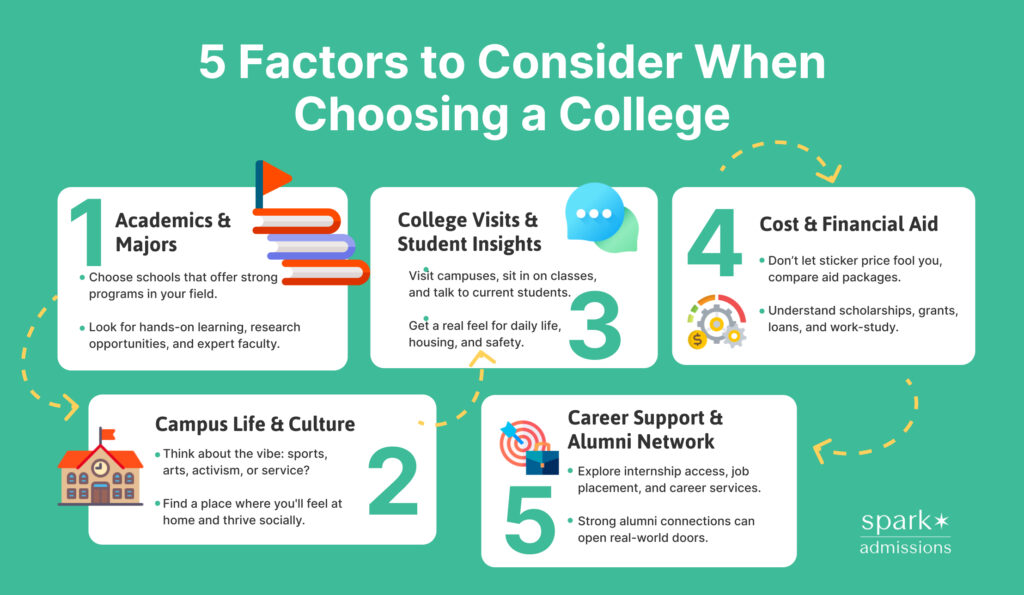
Choosing the right university is more than just picking a famous name. Many important things will affect how well you study, your life, and your future job. Here are some things to think about:
1. Courses and Specializations
Find universities that have courses in the subjects you like. Look at what the course teaches, the optional subjects you can choose, and if there are practical chances like labs or workshops. Also, think about your future job—will this course help you reach your career goals?
2. University Rankings and Reputation
Rankings can show you how well-known a university is. It’s good to look at rankings for your specific subject because some universities are better in certain areas. A university’s reputation can help you get good job chances and be recognized by employers.
3. Location and Lifestyle
Big cities like London have more jobs and fun things to do, but living there can cost more. Smaller towns are usually cheaper and quieter. Think about how easy it is to get around, if the place is safe, what fun places there are, and the weather. Also, think about what kind of life you like—do you want busy city life or a calm campus?
4. Tuition Fees and Scholarships
Look at how much tuition fees cost for international students at different universities. Find out about scholarships, grants, and other money that can help you get. Also, remember to think about living costs like housing, food, travel, and other expenses.
5. Accommodation and Campus Facilities
Choose if you want to live on campus or in private housing. Look at what facilities the university has, like libraries, labs, gyms, and help for students. A good and friendly place helps you do better in your studies and feel happy.


Researching Universities

After you know what to think about, the next step is to learn more about different universities. Good research helps you choose the right one and stops problems later.
1. Online Research Tips
Visit the official websites of universities to see their courses, fees, and entry rules. Take virtual tours to look around the campus and places to live. Read what students say on forums or social media to learn about student life. You can also compare universities using ranking websites and tools that show course details side by side.
2. Attending Open Days and Education Fairs
Universities often have open days for students who want to join. These can happen in person or online. You can also go to education fairs in your country or online to meet many universities at once. Before you go, get ready with questions about courses, scholarships, housing, and help for students.
3. Talking to Alumni and Current Students
You can contact past or current students on LinkedIn, Facebook groups, or university forums. Ask them about their experience with teachers, campus life, and help with jobs. Listening to real stories helps you learn things that websites and brochures don’t tell you.
4. Shortlisting Universities
Make a list of 5 to 10 universities that fit your goals, money, and what you like. Look at each university’s entry rules and when to apply. Then, put your choices in order based on what matters most to you, like course quality, cost, location, and job chances.
For me, the most helpful advice came from a student I connected with on LinkedIn. They shared real experiences about the teaching style, part-time jobs, and campus culture—things you don’t usually find on the official website.
Application Process Overview

Applying to a university in the UK might look hard at first, but knowing the steps makes it easier. Whether you want to study for a bachelor’s or a master’s degree, here is a simple guide for you.
1. UCAS for Undergraduate Programs
UCAS is the main system to apply for undergraduate degrees in the UK. You can apply to up to five courses at different universities. You need to give your personal details, school history, references, and write a personal statement. Make sure to check the deadlines, which are usually in January for most courses.
2. Direct Applications for Postgraduate Programs
For most postgraduate programs, you apply directly to the university. Each university has its own application website. You need to send your transcripts, references, personal statement, and sometimes extra things like a portfolio or CV.
3. Key Deadlines and Required Documents
You will need some documents like your school transcripts or certificates, letters of recommendation, a personal statement or statement of purpose, and English test scores like IELTS or TOEFL. Deadlines are different for each course and university, so make sure to plan ahead and not miss them.
4. Tips for a Strong Application
Start early so you have enough time to collect your documents and write a good personal statement. Talk about your school achievements, skills, and career goals. Check everything carefully because mistakes can hurt your chances.
Financial Planning for Studying in the UK

Studying in the UK can be expensive, so it’s very important to plan your money carefully. Good budgeting helps you focus on studying without worry.
1. Tuition Fees vs. Living Costs
Tuition fees in the UK are different depending on the university and course. For undergraduate degrees, it can cost between £12,000 and £35,000 per year for international students. For postgraduate degrees, fees range from £13,000 to £40,000 per year. Living costs also depend on where you live. London is more expensive, around £1,200 to £1,800 each month, while smaller cities or towns are cheaper, about £800 to £1,200 per month. Remember to budget for housing, food, transport, books, and other personal costs.
2. Scholarships and Grants
Many universities give scholarships to international students based on how good you are, your financial need, or where you come from. You can also look for government or private scholarships, like the Chevening Scholarship or special university awards. Sometimes, grants are available to help pay for tuition or living costs.
3. Part-Time Work Options for Students
International students in the UK can usually work up to 20 hours each week during school time. Part-time jobs can help pay for living costs and give you good work experience. Some common jobs are in shops, restaurants, tutoring, or internships related to your studies.
4. Student Loans and Financial Assistance
Some countries give student loans to help you study abroad. Check if your country has grants or loans for education. Some UK universities also have emergency money or help for students who have money problems.
5. Tips for Managing Your Budget
Make a monthly budget and keep track of what you spend. Look for student discounts on travel, food, and fun activities. Think about sharing a place to live to save money. Try to save money before you start studying so you don’t have money problems later.
Preparing for a Successful Start

Getting ready to study in the UK is more than packing bags. Good preparation helps you settle in easily. All international students pay the Immigration Health Surcharge (IHS) for NHS healthcare. You might also want extra travel or private insurance. Check visa rules early and apply before your course starts. Keep important papers like your acceptance letter and passport ready. Know the rules about working part-time.
Attend orientation and welcome events to meet students and teachers. Building connections helps with studies and future jobs. In your first weeks, learn to use transport, open a bank account, and find shops. Make a budget and keep track of important dates.Learn about UK culture and customs before you arrive. Join student clubs to meet new friends quickly. If you plan well, you can feel less stressed, settle in faster, and enjoy your study time in the UK more.
Popular Study Fields for International Students in the UK
The UK has many courses for international students. Picking a field you like and that fits your career goals is important for success. Here are some popular study areas like :
- Information Technology (IT) & Computer Science
- Engineering & Technology
- Business & Management
- Healthcare & Medicine
- Hospitality & Tourism
- Arts, Design & Media
Choosing a field that fits your passion and career plans helps you learn more and get better job opportunities in the UK.
Soft Skills and Networking Tips
For international students in the UK, soft skills and networking are just as important as academic knowledge. Good time management, clear communication, and teamwork are key to succeeding in your studies and group projects. Connecting with others through career fairs, student clubs, and online platforms like LinkedIn can open up opportunities for internships and jobs. Many universities also provide career services such as CV writing help and mock interviews—using these resources early can improve your chances of success. Developing these skills and building strong connections will give you a real advantage both during your studies and in your future career.
Mistakes to Avoid When Choosing a University

Choosing the right university in the UK is a big decision, and avoiding common mistakes can save you time, money, and stress. Don’t choose a university based solely on rankings—pay close attention to course quality, teaching style, campus life, and career opportunities. Research living costs and accommodation carefully, especially in expensive cities like London. Always review the course details to ensure they match your goals, rather than just relying on the university’s reputation. Make sure you understand visa and immigration rules, including work permissions. Finally, look for strong support services like tutoring and counseling to help you succeed. Keeping these points in mind will help you make a smart choice and enjoy a better study experience.
Conclusion
“I still remember the day I got my acceptance letter—it felt like a dream. But even more satisfying was knowing that I had made that choice with care, after doing all the research. For anyone starting this journey, I’d say—this is more than just picking a university. It’s the start of a new life chapter.“
Choosing the right university in the UK is a big step, but it doesn’t have to feel overwhelming. By researching your options, understanding the UK education system, considering your finances, and preparing for life abroad, you can make a choice that supports both your academic success and personal growth. Remember, the best university isn’t always the one with the highest ranking—it’s the one that fits your goals, interests, and lifestyle. Take your time, ask questions, and gather all the information you need. Your international education journey is more than just earning a degree—it’s a chance to gain new skills, build lasting connections, and create experiences that will shape your future. Start planning today, stay focused, and take confident steps toward a successful and rewarding study experience in the UK.



FAQs About Choosing the Right University in the UK
Which universities offer the right course options and flexibility?
In the UK, universities such as The Open University, University of London, and University of Liverpool offer flexible online and distance learning programs, allowing students to study at their own pace while managing work and personal commitments.
How to choose the right UK university?
To choose the right UK university, consider your study goals, explore course options, review rankings and accreditation, compare tuition fees, and check if flexible online or part-time study is available to suit your lifestyle.
What seven things should to consider when choosing a university in the UK?
When choosing a university in the UK, consider factors like course options, reputation, location, fees, flexibility, career support, and campus life to find the best fit for your goals.
Which Courses are best in the UK for international students?
Some of the best courses in the UK for international students include Business and Management, Engineering, Computer Science, Medicine, Law, Finance, Data Science, and Creative Arts, as these fields offer high-quality education, global recognition, and strong career opportunities.
Which are the cheapest universities in the UK for international students?
Some of the cheapest universities in the UK for international students include Coventry University, University of Chester, University of Suffolk, and University of Cumbria, with tuition fees starting from around £9,000 to £10,500 per year.
