


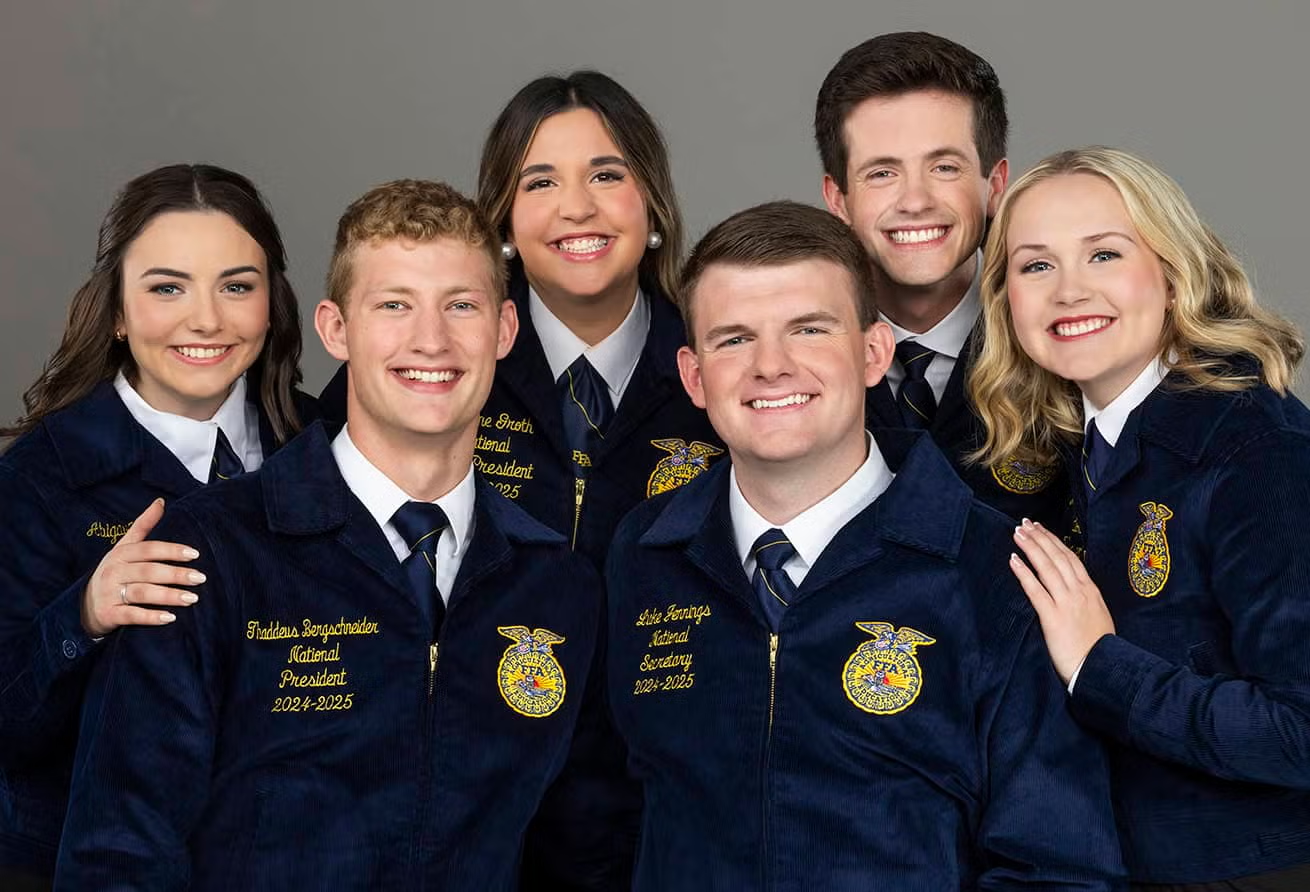
When you’re asked why you want to be an FFA officer, talk about your passion for FFA’s goals and say I want to be an FFA officer because I love FFA. It helps me learn new things, become a better person, and be a good leader. Also, share how FFA has helped you grow and how you want to encourage and inspire other members. I want to help others in FFA, too, and make a positive difference in the agriculture community. Using tips and advice for questions like this can help you give a strong and honest answer.
Role of an FFA officer
An FFA officer sets a good example, helps run the chapter, and supports FFA’s mission by doing important tasks like leading ceremonies, keeping records, talking to the public, and planning events. Each officer role has special responsibilities, for example, the President leads meetings and speaks for the chapter, the Secretary takes notes and handles communication, the Treasurer takes care of money, and the Reporter shares FFA news with the public. These roles help keep members involved, build leadership skills, and keep the chapter running very smoothly.
“I have always compliment our chapter secretary. Watching how they stayed organized and made sure everyone was informed taught me how important behind-the-scenes leadership is. It inspired me to pursue the same role.”
Behavioral and Leadership Questions

FFA officer candidates may be asked questions like, Explain a time you led a team through a challenge, ‘How did you deal with conflict or criticism?’ or ‘How would you encourage teamwork among officers?’ Other questions might include: ‘Talk about a hard decision you made,’ ‘Give an example of how you motivated others,’ and ‘How do you manage officer duties with other responsibilities?’ These questions are meant to test your leadership, teamwork, problem-solving, and communication skills. It’s best to answer them using the Situation, Task, Action, Result.
How can I answer behavioral questions in an FFA officer interview?
To answer questions well, we can use something called the STAR method. First, we say what happened (this is the Situation). Then, we tell what we had to do (it’ Task). Next, we say what we did (Action). Last, we tell what happened after that (Result). We can talk about real FFA things, like helping at events, being kind when people give feedback, or cheering up other members. It’s good to say what we learned and how we were a good leaders. This shows we care about FFA and want to help.
How can I show leadership in an FFA officer interview?

Show leadership by giving real examples where you took action like starting a committee or solving a problem in your chapter. Always use the Star method like Situation, Task, Action, Result to organize your answer. Also share how you adjusted when things didn’t go as planned to show you’re flexible. And explain how you communicated clearly, worked with others, and made sure everyone felt included. Talk about your goals for helping members or growing the chapter, and connect your story to FFA values like service, teamwork, and leadership.
“One thing FFA taught me is that leadership is not about always being in front—it’s about lifting others up. I remember encouraging a shy freshman to join our public speaking contest. She was nervous, but with support, she ended up placing in the top 3.”
What leadership experiences can I share in an FFA officer interview?

In an FFA officer interview, the best leadership stories to share are those that show you took initiative, worked well with others, and made a positive impact. Here are some good examples you can use depending on your experience:
- Chapter Projects & Events: Talk about times you helped plan or lead an FFA event like a banquet, fundraiser, or community service. Explain how you worked with others and solved problems.
- Committee Leadership: If you led or were part of a committee, share how you organized meetings, gave out tasks, and encouraged members to reach their goals.
- Team or Competition Leadership: Describe your role in Career Development Events (CDEs), Leadership Development Events (LDEs), or judging teams where you supported and motivated your teammates.
- School or Community Roles: If you’ve led a sports team, student council, or volunteer group, explain how those leadership skills will help you as an FFA officer.
- Mentoring & Peer Support: Talk about times you helped new members get involved, coached others, or encouraged people to join in—showing you are a helpful and supportive leader.
What qualities are needed for FFA officers?
“My grandfather once told me, ‘People won’t always remember what you said, but they’ll remember how you made them feel.’ That’s the kind of officer I want to be—one who listens, supports, and uplifts others.”
FFA officers need to be good leaders who can inspire and guide others, especially during tough times. They must communicate well, speaking clearly and listening carefully. Being responsible and dependable is important, like always showing up on time and doing their duties. Officers work as a team, respecting different ideas and focusing on group success. They should act with honesty and set a good example for everyone. Being organized helps them balance their work with school and plan events smoothly. Most of all, officers should love agriculture and FFA, showing real excitement that encourages others to join and grow. Here are the important qualities they need:
- Leadership Skills
- Strong Communication
- Responsibility & Dependability
- Teamwork & Collaboration
- Professionalism & Character
- Organization & Time Management
- Passion for Agriculture & FFA
Strengths and weaknesses of an FFA Officer

Strengths of an FFA Officer
State FFA officers have special strengths like being responsible, working hard, fixing problems, including everyone, and always learning. These strengths help them know themselves better and lead in a real, honest way. Good officers also know how to work well with their team by helping each other and using everyone’s different skills. Being an officer takes a lot of time—about five extra hours every week—so they need to manage their time well to do everything right. All these things help make their chapter successful and prepare them for the future.
Weaknesses of an FFA Officer
Everyone has things they can get better at, and FFA officers are no different. It’s important for officers to know their weaknesses and work on improving them. Sometimes, officers might face problems like disagreements with team members or find it hard to make decisions. To handle these challenges, they need to think about what they can do better and always try to grow as leaders.



How can I demonstrate teamwork in an FFA officer interview?
To show teamwork in an FFA interview, tell a story about a time you worked with others on a project. First, explain what the project was (Situation). Then, say what your job was, like helping divide tasks or solving problems (Task). Next, describe what you did to help the team talk and work together (Action). Finally, share the good results the team had, like finishing the project well or everyone feeling proud (Result). Be sure to mention how you helped by giving jobs, encouraging teamwork, and celebrating when you succeeded.
How can I show passion for agriculture in an FFA officer interview?
To show your passion for agriculture, tell a true story from your life about why farming or agriculture is important to you. Talk about things happening in farming today that you know about, and explain why you care. Speak honestly from your heart about how agriculture has helped shape your dreams. Use stories and facts to make people listen and feel connected. This shows the FFA values of leadership, helping others, and learning.
Specific Interview Formats
FFA officer interviews usually have different parts to test many skills. First, there might be a written test and an essay to check your knowledge. Then, you may have one-on-one interviews where you answer personal questions or talk about specific topics like agriculture or rules. Sometimes, there are group activities to see how well you work with others. These steps help the judges see your leadership, communication, and ability to adapt in different situations.
Panel Interview

An FFA officer panel interview is when a group of 2 to 4 people, like advisors or current officers, ask you questions. It usually lasts about 45 to 60 minutes. You’ll start by introducing yourself, then answer different types of questions about leadership, agriculture, and how you handle pressure. They often want you to use the STAR method to explain your answers. At the end, you get to ask them questions too. The panel looks for good leaders who can communicate well, adapt, and show FFA’s values.
What questions are asked in a panel interview for FFA officers?
FFA officer panel interviews usually have 2 to 4 interviewers who ask questions about your behavior, leadership, and FFA knowledge. You might be asked:
- “Why do you want to be an FFA officer?”
- “How have your leadership experiences prepared you?”
- “Describe a teamwork conflict and how you solved it.”
- “What ideas would you lead to get more members involved?”
- “How do you balance officer duties with schoolwork?”
- “What are the biggest challenges in agriculture and how can FFA help?”
If you’re running for a specific role like Reporter or Treasurer, expect questions about things like keeping records, managing media, budgeting, or including everyone.



Interview questions for the national FFA officers’ job
- Who inspired you to pursue a national office?
- What is your vision for FFA’s future?
- How have you demonstrated leadership previously?
- How will you promote FFA values nationally?
- Describe a challenge and how you resolved it.
- How will you engage members across states?
- What motivates you to serve as an officer?
- How do you handle teamwork and conflict?
- Share an initiative you successfully led.
- How do you balance officer duties and academics?
Interview questions for various positions at the time of the FFA officers’ job interview
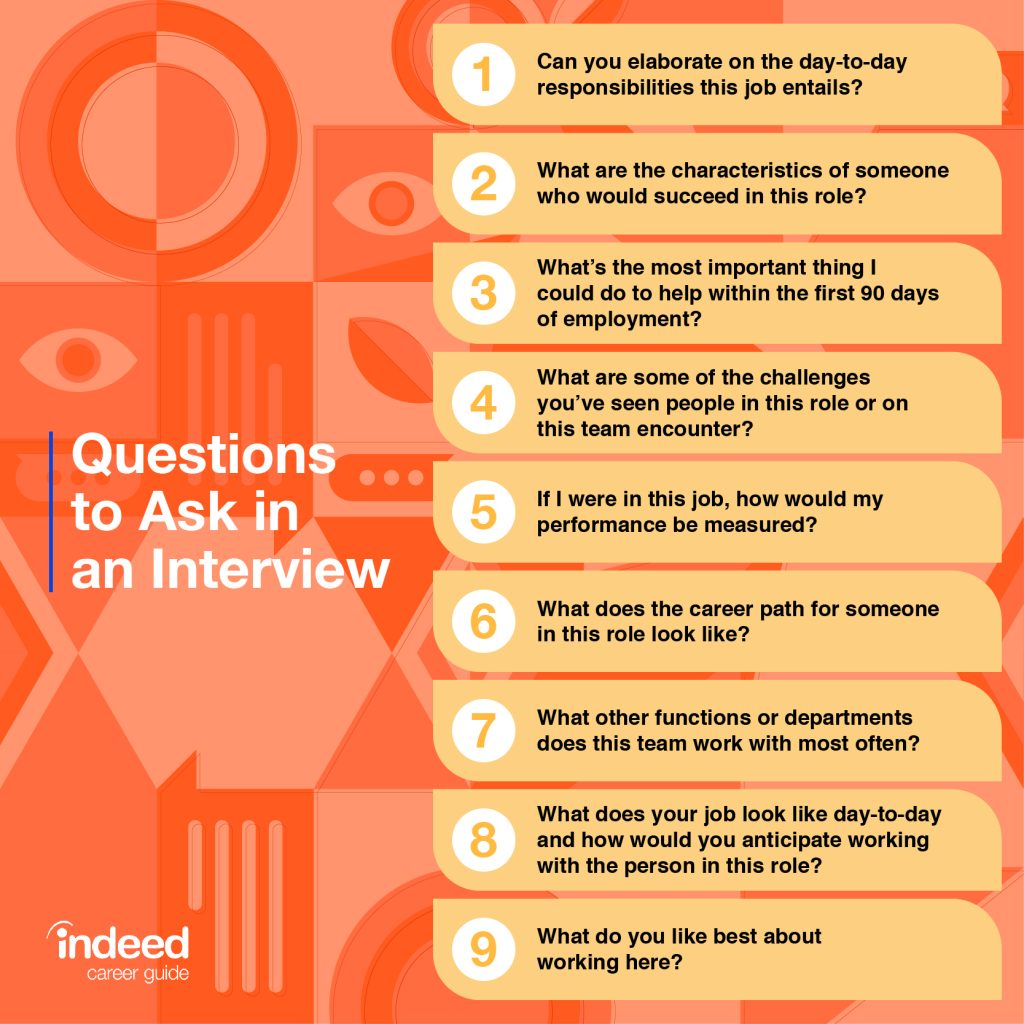
Chapter/State/National FFA Officer Interview Questions by Position:
President:
- How will you inspire chapter members?
- How do you lead team projects?
Vice President:
- How will you support the president?
- How do you encourage member participation?
- Describe problem-solving during leadership roles.
Secretary:
- How do you maintain accurate records?
- How do you handle meeting minutes efficiently?
- Explain experience with documentation or correspondence.
Reporter:
- How will you share chapter news?
- Describe experience with social media or publications.
- How do you engage members through communication?
Advisor/All Positions (General Behavioral Questions):
- Why do you want this officer role?
- Share a leadership challenge and resolution.
- How do you balance academics and responsibilities?
- How will you promote FFA values and mission?
Group Interview

A group interview for FFA officers is when several candidates work together while interviewers watch. You might have group talks, solve problems, or plan something as a team. The interviewers want to see how you share ideas, handle disagreements, help others, and show FFA values like teamwork and leadership. This group part usually happens along with individual interviews to see the whole picture of how you work with others and lead.
“Becoming an FFA officer isn’t just a goal—it’s a calling. I’ve learned, grown, and stumbled with FFA by my side. Now, I want to be the one who helps others take that same journey. Leadership isn’t about titles—it’s about service, and I’m ready to serve.”
Conclusion
Becoming an FFA officer is about showing leadership, teamwork, and a real passion for agriculture. During the interview, focus on sharing honest stories that show how you’ve grown, worked with others, and made a positive impact. Use the STAR method to clearly explain your experiences and always connect your answers to FFA’s values like service, respect, and dedication. Remember, the panel is looking for someone who can lead by example, communicate well, and help the chapter succeed. Preparing well and speaking from the heart will help you stand out and show why you are the right person for the role.
FAQ About Why Do You Want to Be an FFA Officer
What questions are asked at the FFA officer interview?
FFA officer interview questions usually focus on your leadership, teamwork, and passion for FFA. They want to know how you lead, solve problems, and your ideas for helping agriculture and the chapter grow.
What kind of benefits does being an FFA officer have?
Being an FFA officer helps you grow as a leader, build confidence, and improve communication skills. It also gives you chances to make a positive impact on your chapter, meet new people, and learn more about agriculture and teamwork.
What is the mission of the National FFA Organization?
The mission of the National FFA Organization is to make a positive difference in the lives of students by developing their potential for leadership, personal growth, and career success through agricultural education.
What is NATIONAL FFA OFFICER HANDBOOK?
The National FFA Officer Handbook is a guidebook made for FFA officers that explains their roles, responsibilities, and how to be a good leader. It helps officers understand what is expected of them and gives tips on how to lead their chapter, work with others, and support FFA’s mission.
What is the State FFA Officer Application?
The State FFA Officer Application is a form that students fill out when they want to become an officer for their state FFA organization. It usually asks about your leadership experience, goals, and why you want to serve. This helps the selection team learn about you and decide if you’re a good fit for the officer role.
