



Imagine you are at home in Canada, and enjoying your morning coffee. You can learn something new without going outside. Maybe you want to get better at your job, start a fun hobby, or get ready for a new job. Online learning makes it easy. You can study from anywhere, and it costs less than going to a real school.
Now, learning online is not just a choice—it is good for everyone. In Canada, many people, like students and workers, use online learning to get new skills, earn certificates, and grow in their jobs. But there are so many websites, how do you know which one is best?
I still remember the first time I took an online course while sipping coffee on a snowy morning in Toronto. It felt strange at first, but slowly, I began enjoying learning at my own pace from home. Online learning made me realize how flexible and powerful education can be.
So don’t worry, this guide will show you the best and cheapest online learning websites in Canada. It will also help you choose the right one and give you tips to make learning online easy and cheap. If you want to learn tech stuff, grow in your job, or just try something new, this guide will help you start with confidence.
Why E-learning Platforms Are Important in Canada?

E-learning websites have changed how people in Canada learn. They are easy to use, don’t cost too much, and you can learn anytime.
- Flexible Learning
Many people in Canada have jobs, go to school, and take care of their families. E-learning helps them learn anytime—at night, on weekends, or even during short breaks. - Affordable Learning
Going to a regular school can be expensive. E-learning is cheaper because it offers low-cost courses, free trials, or monthly plans. - Access to Courses from Anywhere
You can learn from the best universities in the world without leaving Canada. Websites like Coursera, edX, and Udemy let you study things that used to be only taught in other countries. - Career Growth
E-learning helps you learn skills, get certificates, and stay competitive. You can switch careers or grow in your current job in IT, healthcare, business, or creative fields. - Learn at Your Own Pace
You can learn as fast or as slow as you want. Rewatch lessons, practice more, or focus on what matters most to you.
“Many of my friends who work full-time or are parents told me that online classes are the only way they can continue learning. One of them even completed a digital marketing course during her baby’s nap time!”
How to Choose the Right E-learning Platform
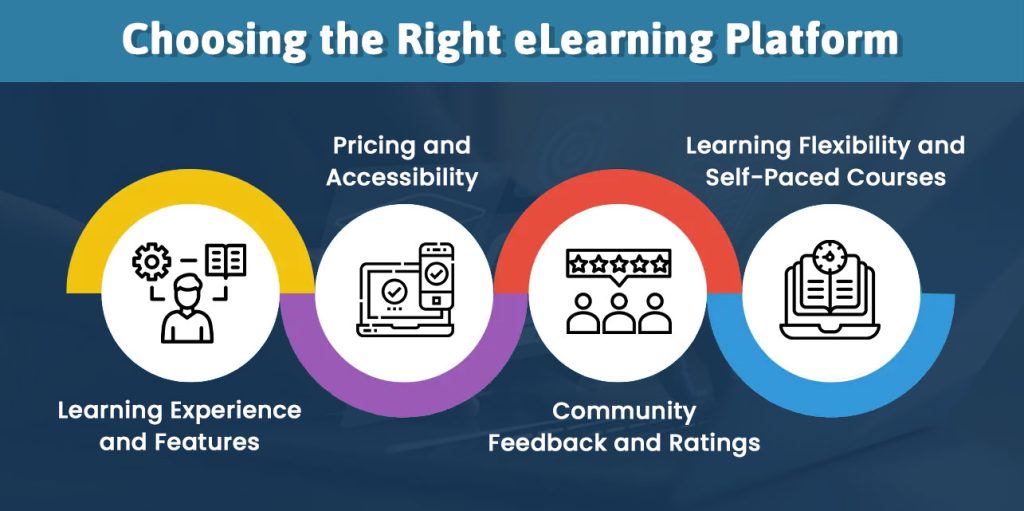
Choosing the right e-learning platform totally depends on your learning goals. First, think about what you want to learn if it’s school subjects, a new skill, or something for your career. Then, check if the courses are made by experts and include useful materials like videos, quizzes, and notes. It’s also very important to look at the price because some platforms are free, while others offer free trials, monthly plans, or discounts. Always make sure the website is easy to use on your phone, tablet, or computer. It’s good if they have help like FAQs or chat. If you want a certificate, check if the website gives one and if schools or bosses accept it. Lastly, choose a website where you can learn at your own speed without feeling rushed. Some popular websites are Khan Academy, Coursera, Udemy, and Duolingo.


Ask Yourself
- What skill do I want to learn?
- Am I learning for career growth or personal interest?
- How much time and money can I spend?
- Do I want structured or self-paced learning?
Best Affordable E-learning Platforms in Canada
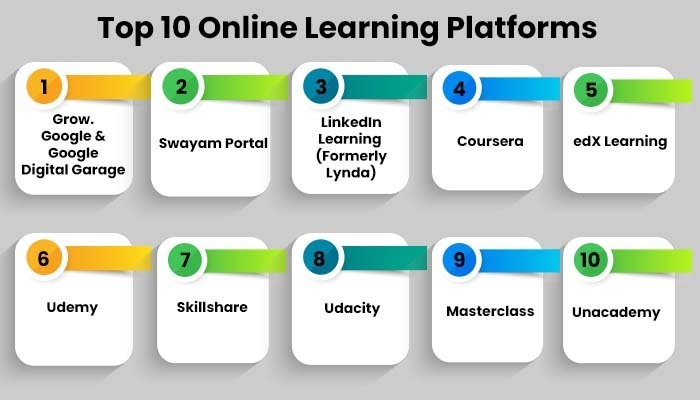
- Coursera – Free to try; certificates CAD 40–100; courses from top universities; financial aid available.
- Udemy – Low-cost courses CAD 15–20; lifetime access; many topics.
- LinkedIn Learning – CAD 40–50/month; career-focused; one-month free trial.
- Skillshare – CAD 15/month or CAD 100/year; project-based; creative courses.
- Khan Academy – Free; basic learning; interactive lessons.
- edX – Free to try; certificates CAD 50–300; university-level courses.
These platforms make learning easy for students, professionals, and lifelong learners.
Tips to Make E-learning Affordable and Effective
You can use free courses and trial lessons to try different subjects. If you need help paying, you can ask for scholarships or financial support. It’s good to use different websites for learning different skills. Try to make a study plan for every day or every week. Joining online groups and communities can help you learn with others. Also, take notes and practice what you learn by doing real projects.
“I created a simple rule for myself: 30 minutes of learning before dinner. It wasn’t always easy, but sticking to a small daily goal kept me going. Find a time that works for your lifestyle.”
Jobs That Benefit from E-learning
- IT & Software: Programming, AI, cybersecurity, data analysis.
- Healthcare: Nursing, medical coding, healthcare management.
- Engineering: CAD, robotics, project management.
- Business & Finance: Leadership, marketing, accounting, entrepreneurship.
- Creative Fields: Design, photography, writing, animation.
- Hospitality & Tourism: Hotel management, culinary arts, event planning.



Soft Skills and Networking for E-learning Platforms
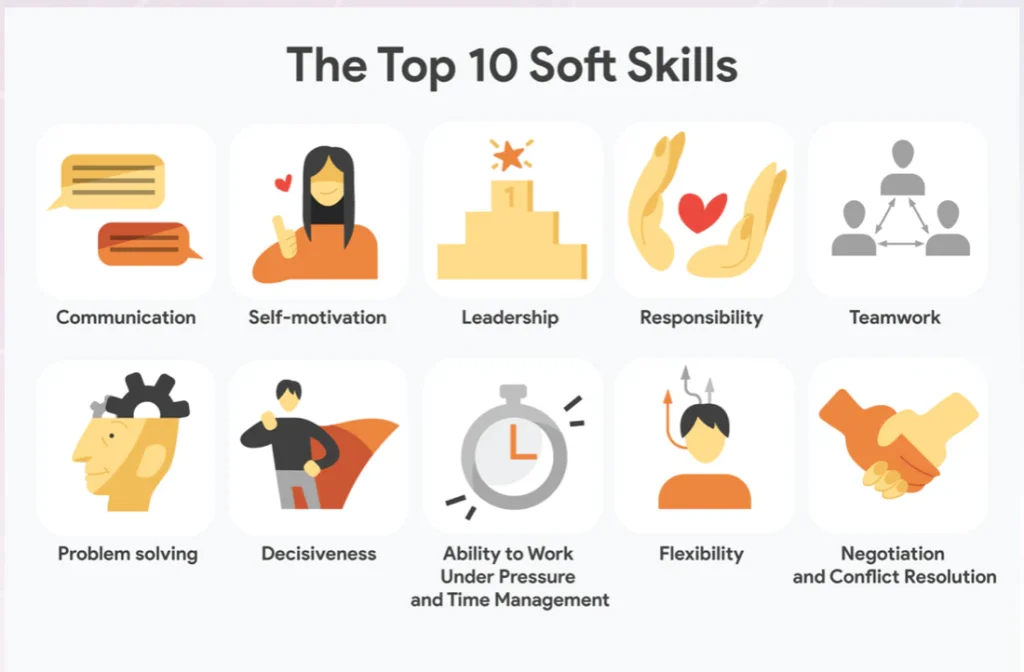
To improve your soft skills, focus on practicing communication, teamwork, leadership, and time management. Joining online communities, like forums and groups, can help you learn from others and find mentors. Go to webinars to meet experts and learn new things. Make a portfolio by doing projects and showing your work. Use social media to connect with friends, teachers, and people who work in your field. Learning soft skills and making connections online helps your career grow, just like learning technical skills.
Paying for E-learning
If you’re worried about paying for online courses, there are several options to explore. Some banks in Canada offer student loans specifically for online learning. Many employers also support professional development by paying for courses or subscriptions. Government programs like the Canada Job Grant can provide financial assistance as well. To manage your budget, take advantage of free trials, compare different platforms, and keep track of your spending. Additionally, platforms like Coursera and edX often offer scholarships or financial aid to help cover course costs.
Safety for Online Learners Abroad
- Health Insurance: Check if you need insurance for any in-person requirements.
- Cybersecurity: Use strong passwords, two-factor authentication, and antivirus.
- Protect Personal Info: Share carefully and use trusted payments.
- Safe Behavior Online: Avoid suspicious links and act professionally.
Conclusion
When I took my first course, I doubted if I could keep up. But slowly, I learned that consistency matters more than talent. You don’t have to be perfect—you just have to begin.
Learning online in Canada is easy, cheap, and works well. Websites like Coursera, Udemy, Skillshare, and Khan Academy have courses for everyone. To do your best, choose the right website, make a plan to study, and use free trials or money help if you can. The skills you learn now can help you find new jobs, grow as a person, and do better in life. So start today—look at a website, pick a course you like, and believe in yourself. Every step you take will make you smarter, more confident, and ready for new chances.
Frequently Asked Questions for E-learning Platforms in Canada
What is the most recognized online training platform in Canada?
In Canada, D2L Brightspace is the most famous online learning platform used by universities. For learning skills for yourself or your job, popular websites are Coursera, Udemy, edX, and LinkedIn Learning.
Which is the best e-learning platform for students?
The best online learning website for students depends on what they want. Coursera and edX are good for school subjects with courses from universities. Udemy is good for learning new skills that don’t cost much. LinkedIn Learning is best for learning things to help your job and grow your career.
Which are the Free, affordable e learning platforms in Canada?
In Canada, students can access free or affordable e-learning through platforms like Coursera, edX, Khan Academy, and Alison for free options, while Udemy, LinkedIn Learning, and Skillshare provide low-cost courses for skill and career growth.
What is the cost of developing an e-learning platform in Canada?
In Canada, developing an e-learning platform can cost anywhere from $20,000 for a basic version to over $200,000 for a complex enterprise solution, with additional expenses for hosting, maintenance, and content creation.
What is Online and distance learning in Canada?
Online and distance learning in Canada lets students study from home using the internet. They can take courses and programs from universities, colleges, or training centers without going to a classroom.
