



The first time when I was to create a forecast for a new product launch. It was very scary and exciting, also because I had to use past data and market trends to predict how the product might perform. My forecast turned out to be ended, and it helped the production team make key decisions. The launch was successful, and it showed me how important forecasting is for a business strategy.
Using forecasting as a skill on your resume that shows how you are strong in financial modeling and predictive analysis, like skills that employers and ATS systems look for. Forecasting uses past data with statistical methods like ARIMA and time-series analysis, and qualitative techniques, to predict future trends. This skill proves you can reduce uncertainty and assist with strategic planning, which is valuable for roles that require making important decisions.
How do I write forecasting skills on my resume?
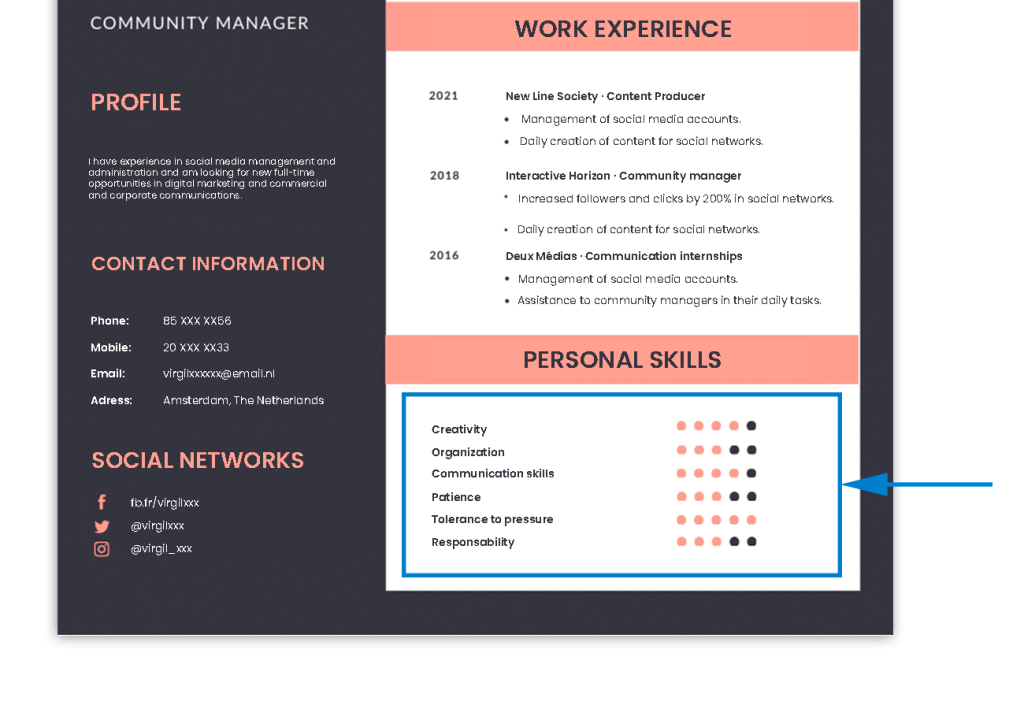
When you add forecasting skills to your resume, start the skills section with forecasting and related technical tools. Also, show your experience with numbers to get noticed by both ATS and recruiters. List your most important skills first, such as statistical modeling and data analysis, and then back them up with results. For example: “Improved forecast accuracy by 15% using ARIMA models”.
Which forecasting skills are most in demand for resumes?
Employers want forecasting skills that show both technical accuracy and strategic thinking. To highlight key skills, include data analysis, statistical modeling, trend and time-series analysis, and measuring how accurate your forecasts are. Knowing tools like Excel, SQL, and forecasting software adds extra value. Other valuable skills are predictive analytics, risk assessment, and scenario planning, which all help improve decision-making and make planning more reliable.
Is forecasting a skill?
Yes, forecasting is definitely recognized as a skill, mostly a technical one. Because it’s highly valued in fields like finance, operations, and data analysis. Forecasting involves using data-driven methods, if statistical or judgmental both to predict future trends. It combines skills like statistical modeling, trend evaluation, and strategic thinking. These are all indicators of strong analytical abilities, which employers look for when assessing candidates.
In a short way, forecasting is a valuable skill that shows your ability to use data to make informed predictions about the future.
Forecasting Skills in a Resume
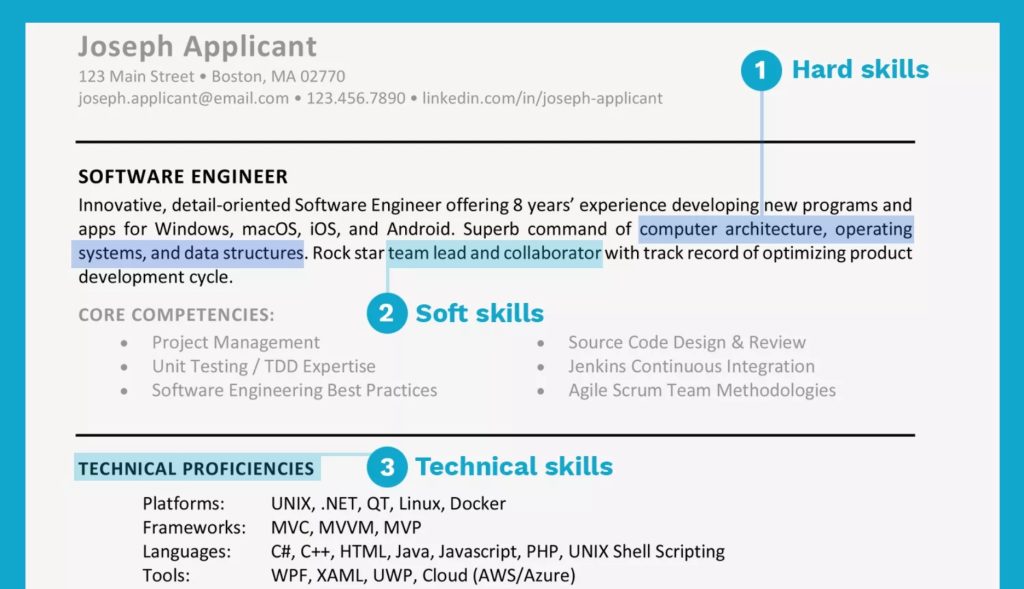
Including forecasting skills on your resume shows that you can predict future trends by analyzing data and using statistical models. Employers value key skills like data analysis, statistical modeling, trend and time-series analysis, and measuring forecast accuracy because they’re very important for making informed decisions and planning strategically. Being experienced in tools such as Excel, SQL, and forecasting software like SAP IBP or Oracle Demantra makes you different from others. Additionally, skills in predictive analytics, risk assessment, and scenario planning are highly sought after because they help create more reliable and effective business strategies.


My opinion, When I looked at my own resume, I realized that highlighting my forecasting skills was a game changer when applying for senior roles. Early in my career, I had downplayed the value of this skill on my resume. But once I started showing the improvements in forecast accuracy and the impact it had on decision-making, employers began to notice.
What is the best way to describe demand forecasting in a resume?
When you highlight demand forecasting in your resume, you must focus on measurable results that really make a strong impact. Like- saying something like “Used ARIMA models to improve forecast accuracy by 20%, reducing inventory costs by 15%” not only shows your technical skills but also demonstrates the real value you brought to the business. Mentioning tools like SAP APO, Oracle Demantra, and Advanced Excel is key to showcasing your expertise. Showing how you integrate data from different teams and work with others proves your well-rounded approach to demand forecasting. Using industry-specific keywords and clear achievements will help your resume stand out to employers.
I realized that just listing “forecasting” under skills wasn’t enough. When I started adding tools and real results—like reducing overstock by 12% using time-series analysis—recruiters paid more attention. My advice: don’t just list the skill, show the impact.
Should I include predictive analysis in my resume skills?
Why It’s Valuable:
- Industry Demand: Predictive analytics is a highly valuable skill across industries like finance, healthcare, marketing, and supply chain management. It shows your ability to analyze data and forecast future trends and behaviors, which helps businesses make more informed and strategic decisions, which is key to making smart business decisions.
- Enhances Resume Visibility: Incorporating predictive analytics can make your resume very smart, especially when you are applying for roles that focus on data-driven decision-making. It highlights your ability to leverage data to solve problems and drive business strategies, which is exactly what employers are looking for in today’s data-focused job market.
How to Include It:
- Skills Section: List predictive analytics tools and techniques you’re proficient in, such as machine learning algorithms, statistical modeling, or specific software like R, Python, or SAS.
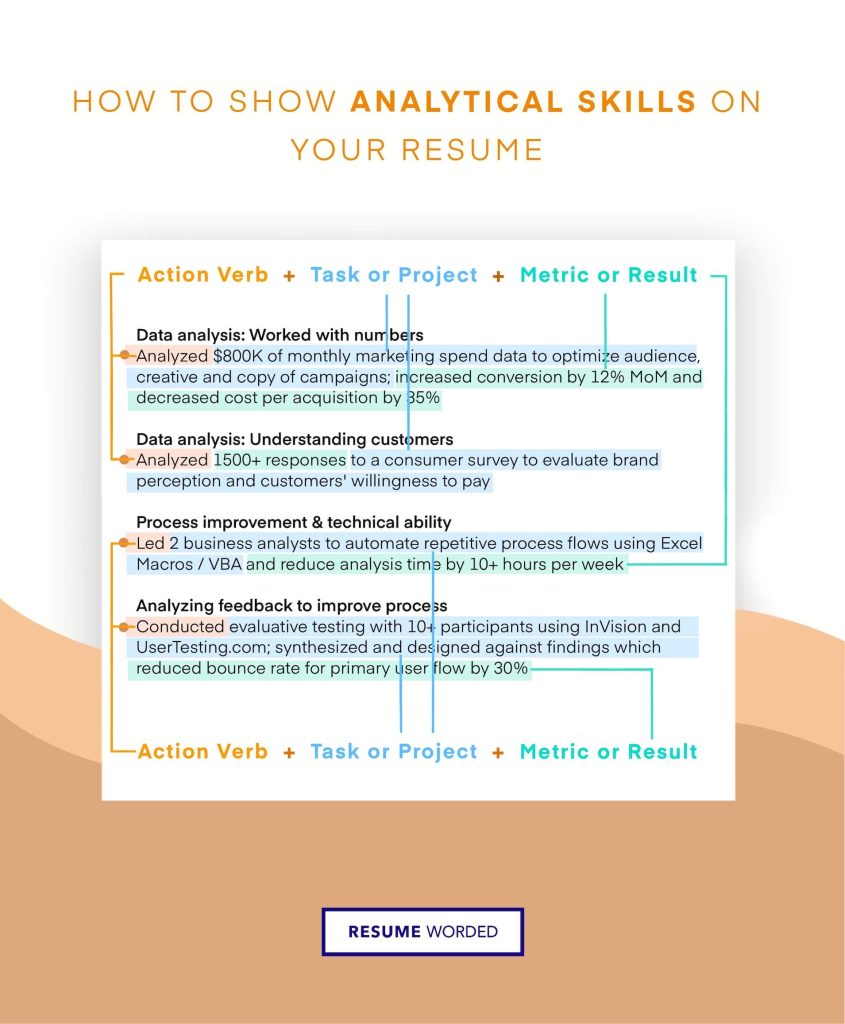
- Experience Section: Provide examples of how you’ve applied predictive analytics in previous roles. For instance, “Developed predictive models using historical data to forecast customer churn, resulting in a 15% reduction in churn rate.”
- Certifications or Education: If you’ve completed relevant courses or certifications, such as a course in predictive analytics or data science, include them to further validate your expertise.
What is the difference between demand forecasting and planning on a resume?
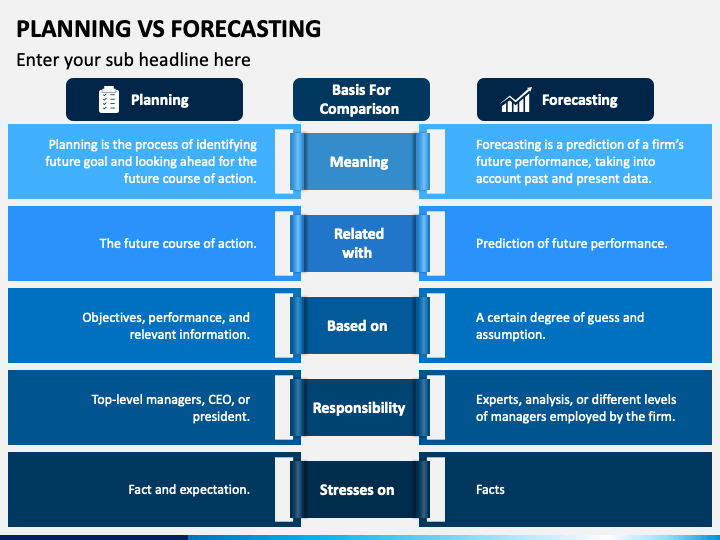
In your resume, demand forecasting shows your technical ability to predict future customer demand by analyzing past data, using statistical models, and identifying trends. It highlights your analytical strengths and expertise in data interpretation. On the other hand, demand planning shows your ability to align inventory, production, and supply chain operations with that forecasted demand, highlighting your operational and strategic skills. Listing both skills allows you to clearly separate your technical expertise in forecasting from your practical skills in planning and execution, which makes your resume more appealing for roles like supply chain or business analyst.
In one project, I used ARIMA models to forecast a spike in back-to-school demand. But it was the demand planning — aligning suppliers, warehouse logistics, and delivery timelines that made the campaign a success. That experience taught me how important it is for forecasting and planning to work closely together.
Forecasting Models Resume Examples
Including forecasting models on your resume shows you can use statistical and predictive methods to anticipate trends. Highlight tools like ARIMA, linear regression, time-series analysis, and Monte Carlo simulations. Use quantifiable results, such as “Improved forecast accuracy by 18% using ARIMA models,” and list tools like Excel, Python, R, SAP IBP, or Oracle Demantra. This shows both your technical skills and your ability to deliver real business insights.



Do recruiters look for forecasting models in resumes?

Yes, recruiters actively look for forecasting models on resumes, especially for roles in data analysis, finance, supply chain, and business planning. Showing experience with models like ARIMA, regression analysis, and time-series forecasting highlights both analytical skills and decision-making ability. Employers also value candidates who can use tools such as Excel, Python, R, SAP IBP, or Oracle Demantra, as this proves the ability to turn data into actionable business insights
FAQ about Resume Skills for Forecasting
How do you describe forecasting on a resume?
Skilled in analyzing data to forecast trends and support informed decisions that drive business planning and growth.
What type of skill is forecasting?
Forecasting is an analytical and strategic skill that uses data, critical thinking, and decision-making to predict future outcomes.
How to Highlight Forecasting Experience in a WFM Resume?
On a WFM resume, highlight your forecasting experience by showing how you analyze data to predict staffing needs, optimize schedules, and improve efficiency with clear results.
How to Build a Resume for a Data Science Role?
To create a data science resume, highlight technical skills like Python, R, SQL, and machine learning. Show real projects with results, include your education or certifications, and focus on your problem-solving and analytical strengths.
How Do You Describe Analytical Skills on a Resume?
You can describe analytical skills on a resume by highlighting your ability to interpret data, identify trends, and make informed decisions, such as “Skilled in analyzing complex datasets to provide actionable insights and improve business outcomes.”
